
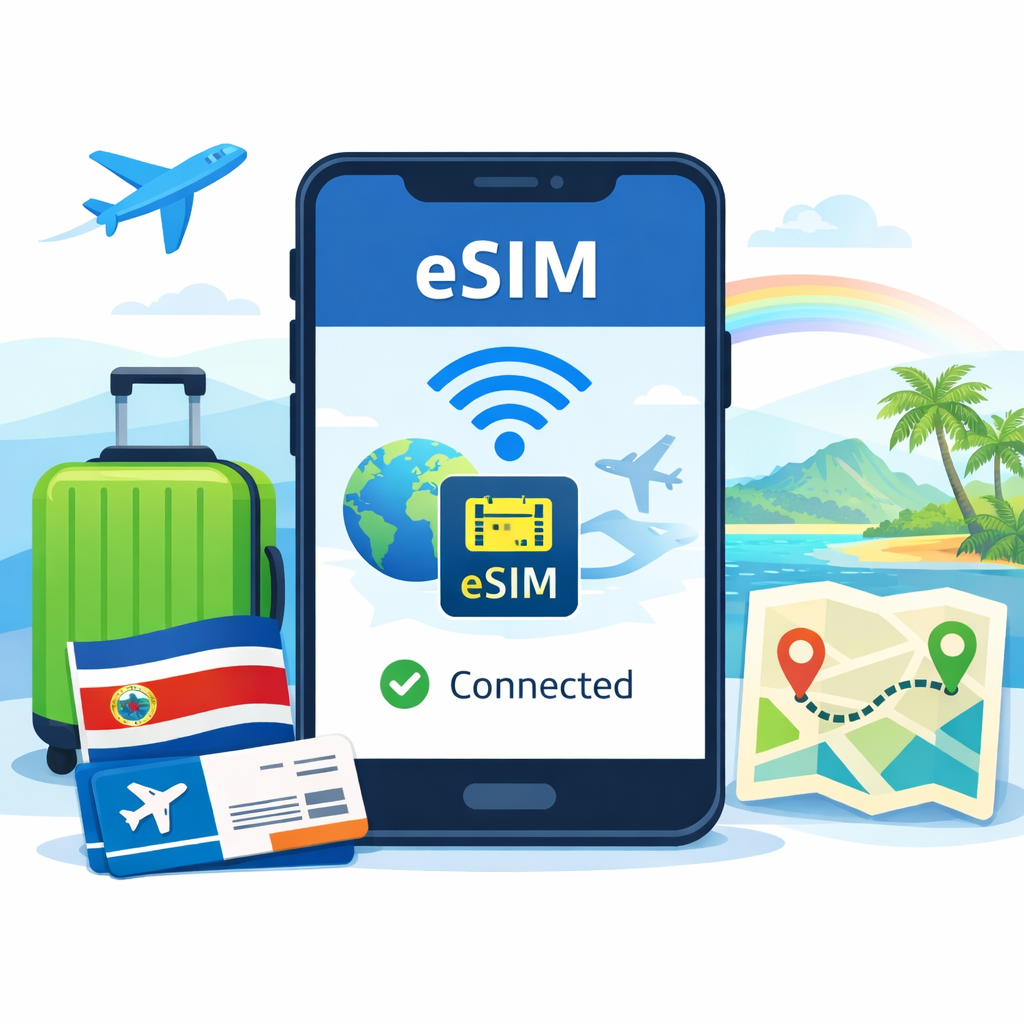
Costa Rica is one of those places that works for families for a simple reason: you can mix “wow” nature days (sloths, waterfalls, volcano views) with true downtime (beach + pool + early bedtime). The only catch is pacing. Distances look short on a map, but roads, rain, and mountain routes can turn a “two-hour drive” into an entire afternoon.
So let’s plan this like real people with real kids: fewer stops, better timing, and enough comfort built in to enjoy it.
When to go: pick the season that matches your family’s tolerance for rain
Costa Rica is often described as having two main periods: a dry season (mid‑December to late April) and a green/wet season (May through mid‑December). But microclimates are real—coast, mountains, and rainforest behave differently, sometimes on the same day.
If you’re staying mostly on the Pacific side, the tourism board notes a more defined rhythm: dry season roughly December–March, April as a transition, and rainy season May–October, with November also acting as a transition month.
How families usually choose:
- Dry season: easiest “logistics mode” (sunny beach days, less mud, smoother driving). Also more expensive and busier.
- Green season: more flexible pricing, lush landscapes, afternoon showers you can plan around (do adventures early, relax later).
The #1 itinerary rule for Costa Rica with kids
If you have 7–10 days, choose two bases. Not four.
A common “looks-good-on-Instagram” itinerary is Arenal → Monteverde → Manuel Antonio → Guanacaste. On paper it fits. With kids, it’s a lot of packing, unpacking, and “we’re late for check-in.”
A more family-proof plan:
- Base 1: Volcano / rainforest (La Fortuna / Arenal area)
- Base 2: Beach (Central Pacific, Guanacaste, or Caribbean—pick one)
That’s it. You’ll see a ton, without spending half the trip in the car.
Where to go with kids: quick cheat sheet
You can build a great family trip with many combinations, but these are the “easy wins”:
Arenal / La Fortuna (Volcano + waterfalls + hot springs)
Great for: ages 4+, active families, “one big adventure per day” pacing.
Classic activities: easy hikes, hanging bridges, wildlife tours, hot springs.
Central Pacific (beach + wildlife)
Great for: first-timers, families who want “nature but not hardcore.”
You can combine beach time with a guided wildlife walk.
Guanacaste (beach-first trip)
Great for: toddlers, resort-style downtime, easy logistics.
Less “rainforest immersion,” more reliable beach routine.
Monteverde (cloud forest)
Great for: older kids/teens who enjoy hiking and night walks.
Cooler temps can be a welcome break from coastal heat.
A realistic 10-day Costa Rica itinerary for families
Here’s a template that doesn’t feel rushed.
Days 1–5: Arenal / La Fortuna
- Day 1: arrival + early night
- Day 2: gentle nature walk + hot springs
- Day 3: waterfall day (start early, nap after)
- Day 4: hanging bridges / wildlife tour
- Day 5: “buffer day” (if weather cancels something, you’re not stressed)
Days 6–10: Beach base
- Day 6: transfer day + sunset
- Day 7: beach + easy activity
- Day 8: optional tour (boat, snorkeling, nature guide)
- Day 9: slow day (this is where the trip starts feeling like a vacation)
- Day 10: fly home
Health & safety: the boring stuff that makes the trip smoother
Costa Rica isn’t a “medical prep panic” destination for most people, but the CDC recommends you check vaccines/meds and visit your doctor at least a month before your trip to get what you may need.
Also: bugs are not a joke, especially if your kids react strongly to bites—CDC puts big emphasis on avoiding bug bites and basic wound care (clean and cover).
What to pack for Costa Rica with kids
You don’t need a perfect packing list. You need the right categories.
From the CDC’s Costa Rica packing guidance, examples of useful items include:
- First-aid basics (bandages, antiseptic wound cleanser, tweezers)
- Insect bite treatment
- Oral rehydration salts (very underrated with kids + heat)
Family-friendly packing tips (non-medical):
- 1 lightweight rain jacket or poncho per person (green season especially)
- Water shoes (rocks + river edges)
- Rash guards / long-sleeve swim tops (less sunscreen stress)
- A dry bag for phones/snacks on boat days
- A small pack of “emergency entertainment” for transfers (stickers, cards, audiobooks)
Staying connected: the easiest way to avoid “airport SIM drama”
If your phone supports eSIM, it’s genuinely one of the simplest travel upgrades.
On eSIM2get, the typical install is QR-based: you add the eSIM in settings, scan the QR code, and you’re ready.
Two practical points matter most for travelers:
- You can install before you fly.
- For travel data plans, the bundle starts when the eSIM first connects to a supported network with Data Roaming enabled—so don’t accidentally activate it early.
Simple routine that works:
- Install the eSIM at home on Wi‑Fi.
- Keep your usual SIM as default for calls/SMS.
- When you land: switch mobile data to the travel eSIM + enable Data Roaming for that eSIM.
Mini FAQ
Is Costa Rica good for a first international trip with kids?
Yes, if you keep your itinerary simple (two bases) and plan for weather flexibility.
What’s the best season with kids?
Dry season is the easiest logistically; green season can be great if you plan mornings for excursions and afternoons for slower time.
Do we need internet on the go?
If you’re self-driving, using maps, or coordinating tours, having reliable data makes the whole trip calmer. eSIM helps you avoid swapping physical SIM cards.